Skip to content



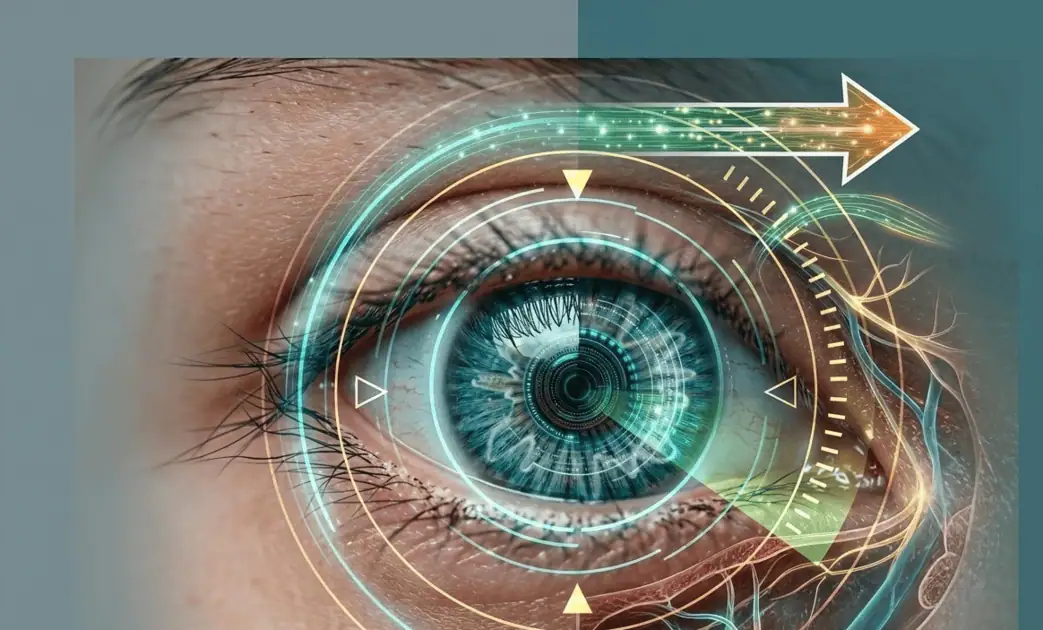
Table of Contents
Seeing well is not only about reading the smallest line on an eye chart. It also depends on how well your brain interprets the signals your eyes send it, and that part of vision can feel off even when an exam suggests your eyesight is acceptable. If reading feels harder than it used to, or dim restaurants and evening drives leave you straining, that experience is real.
At Rosley Eyecare & Associates, we offer RevitalVision vision training as a non-invasive vision therapy option for patients who want to get more out of their existing vision. Here is how this vision improvement program in Glenview is designed to work.
How does RevitalVision help someone see better?
RevitalVision uses guided visual exercises to train the brain to interpret signals from the eyes more efficiently, which may support better contrast sensitivity and clearer functional vision in everyday settings. Individual results vary, so a provider evaluates whether the program is a good fit.
Why Visual Performance Is About More Than Seeing Clearly
Visual acuity measures one narrow thing: how small a high-contrast letter you can identify under ideal lighting. Real vision asks for much more. Your eyes gather light, but your brain decides what that light means, and the speed and accuracy of that interpretation shape how comfortable and capable your vision feels.
This is why some people pass a standard exam and still notice that certain visual tasks take extra effort. Contrast sensitivity is one of the most useful pieces of that picture, and it often explains the gap between what a chart says and what a patient actually experiences.
What Contrast Sensitivity Tells Us About Everyday Vision
Contrast sensitivity is your ability to tell an object apart from its background when the difference between the two is subtle. An eye chart uses black letters on white paper, which is about as easy as vision gets. Daily life rarely cooperates that way. Situations that lean on contrast sensitivity include:
- A gray curb at dusk
- Faint text on a screen or page
- A step in a dim stairwell
- A car merging in fog or heavy rain
Each asks you to pull detail from a low-contrast scene. When contrast sensitivity is reduced, vision can feel washed out, effortful, or unreliable in those moments, even when measured sharpness looks relatively good on paper.
How RevitalVision Trains the Brain’s Visual Processing
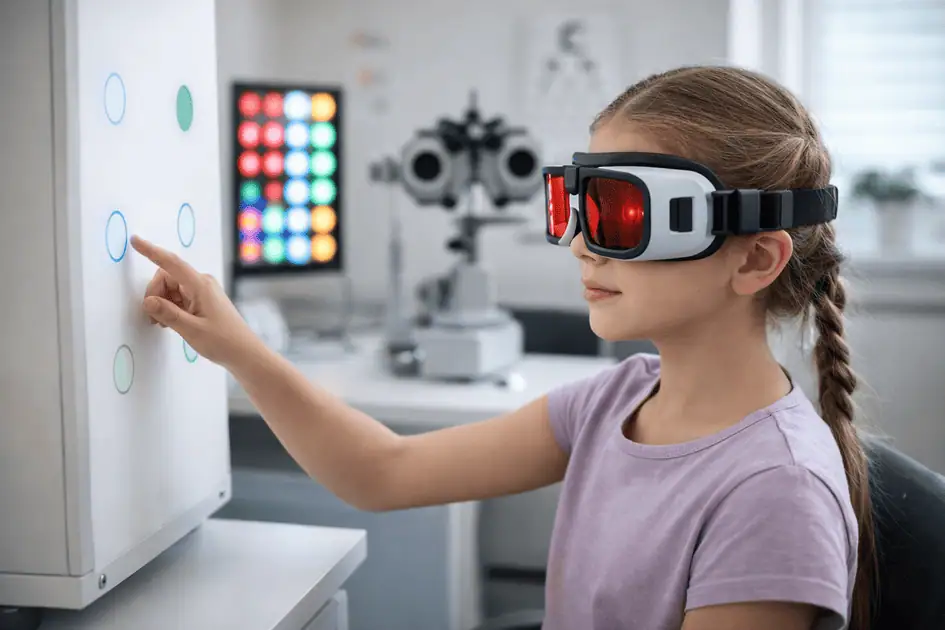
RevitalVision works on the neural side of vision rather than the structure of the eye. The program applies perceptual learning, a well-studied principle in which repeated, carefully calibrated visual tasks help the brain become more efficient at handling a specific type of signal. Sessions are completed at home on a computer, which is why it is often described as computer-based vision training.
Each set of vision improvement exercises presents patterns near the edge of what your visual system can detect, then adjusts based on your responses. Nothing about the anatomy of the eye itself is altered here. What may change is how effectively the brain reads what the eye delivers, which is the core idea behind visual processing therapy.
How Better Visual Processing Can Support Contrast Sensitivity
More efficient processing can help the brain pick out faint differences it was previously discarding as noise. That is the specific target of contrast sensitivity training: not adding visual information, but making better use of the information already arriving.
Perceptual learning research suggests the visual system stays adaptable well into adulthood, which is part of why adult vision therapy has drawn clinical interest. Improvement, when it happens, reflects sharper interpretation rather than a physical correction, and the degree varies from patient to patient. No program can promise a set result, and a careful evaluation matters more than any figure.
What Improved Visual Performance May Look Like in Daily Life
Patients who respond to digital vision therapy often describe the change in practical terms rather than clinical ones:
- Reading may feel less tiring across a long stretch
- Screen work may take less squinting by mid-afternoon
- Low-contrast details, such as a curb at twilight or a face across a shadowed room, may register a little faster
- Driving in rain or low light may feel less demanding, though safety judgments always remain a conversation with your provider.
These outcomes are possibilities rather than guarantees, and the extent to which any individual notices them depends on their initial vision, consistency with the program, and the condition being addressed.
Building Better Visual Function Through Brain-Based Training
Clear, comfortable vision is a partnership between the eye that collects light and the brain that makes sense of it. Correcting refractive error handles the first job well. Visual performance improvement through perceptual learning addresses the second. For the right candidate, it can be a meaningful addition to eyeglasses or contact lenses rather than a replacement for them.
If your vision technically checks out but still does not feel dependable in the situations that matter to you, that is worth describing out loud at your next exam. Our optometrists can review your history, test your contrast sensitivity, and honestly tell you whether RevitalVision in Glenview, IL, is a reasonable option for your goals.
Vision That Works the Way You Need It To
Visual performance covers more ground than acuity alone, and contrast sensitivity often explains why vision feels imprecise in dim, subtle, or visually busy conditions. RevitalVision approaches that gap through the brain rather than the eye, using calibrated exercises rooted in perceptual learning to help the visual system interpret available information more effectively.
Results vary, candidacy matters, and honest expectations are part of good care. If any of this sounds like what you have been noticing, contact us, and we would be glad to take a closer look. Schedule your consultation to find out whether this approach fits your vision and your daily demands.